City of Makati
Welcome to MySLV
Experience modern community living
with our digital village portal
Announcements
Our Facilities
Click on any facility to reserve or learn more
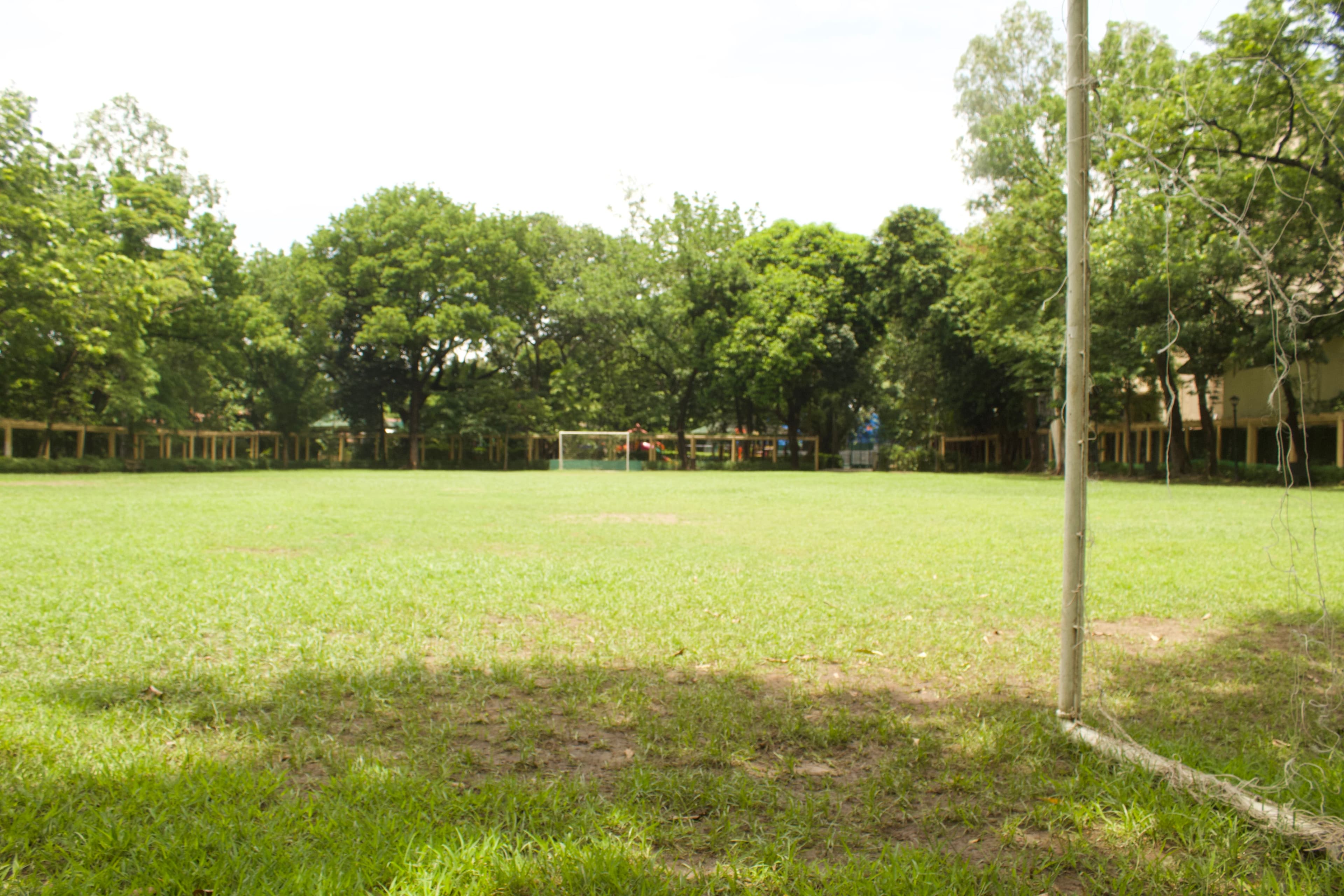
Football Field
Football Field
A well-maintained football field for outdoor sports activities.
Click to login and reserve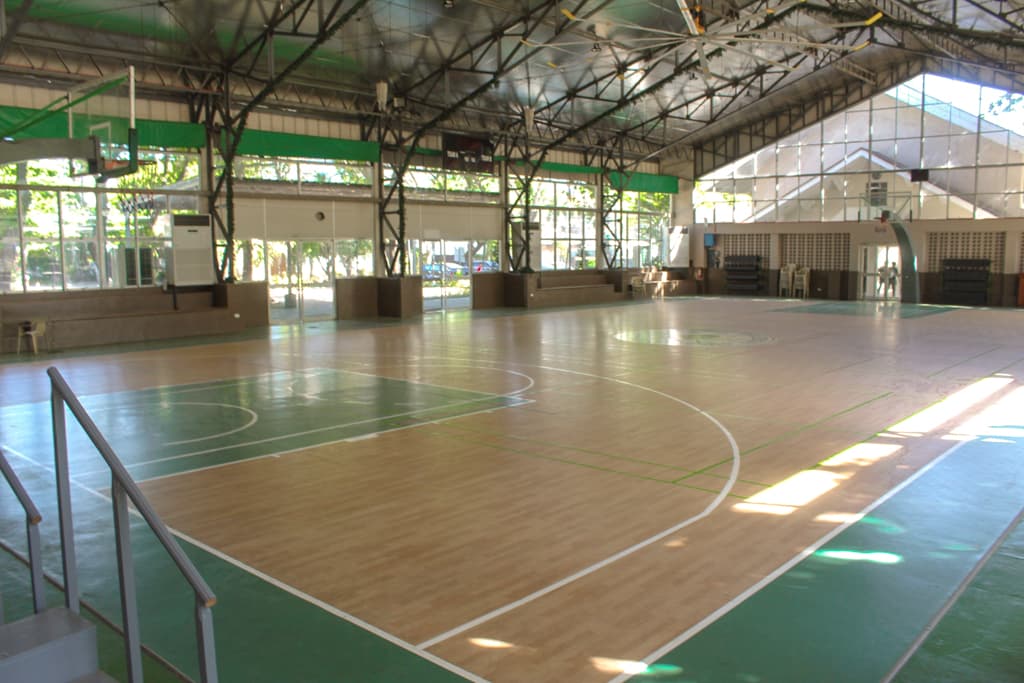
Covered Court
Covered Court
A spacious covered court for outdoor activities.
Click to login and reserve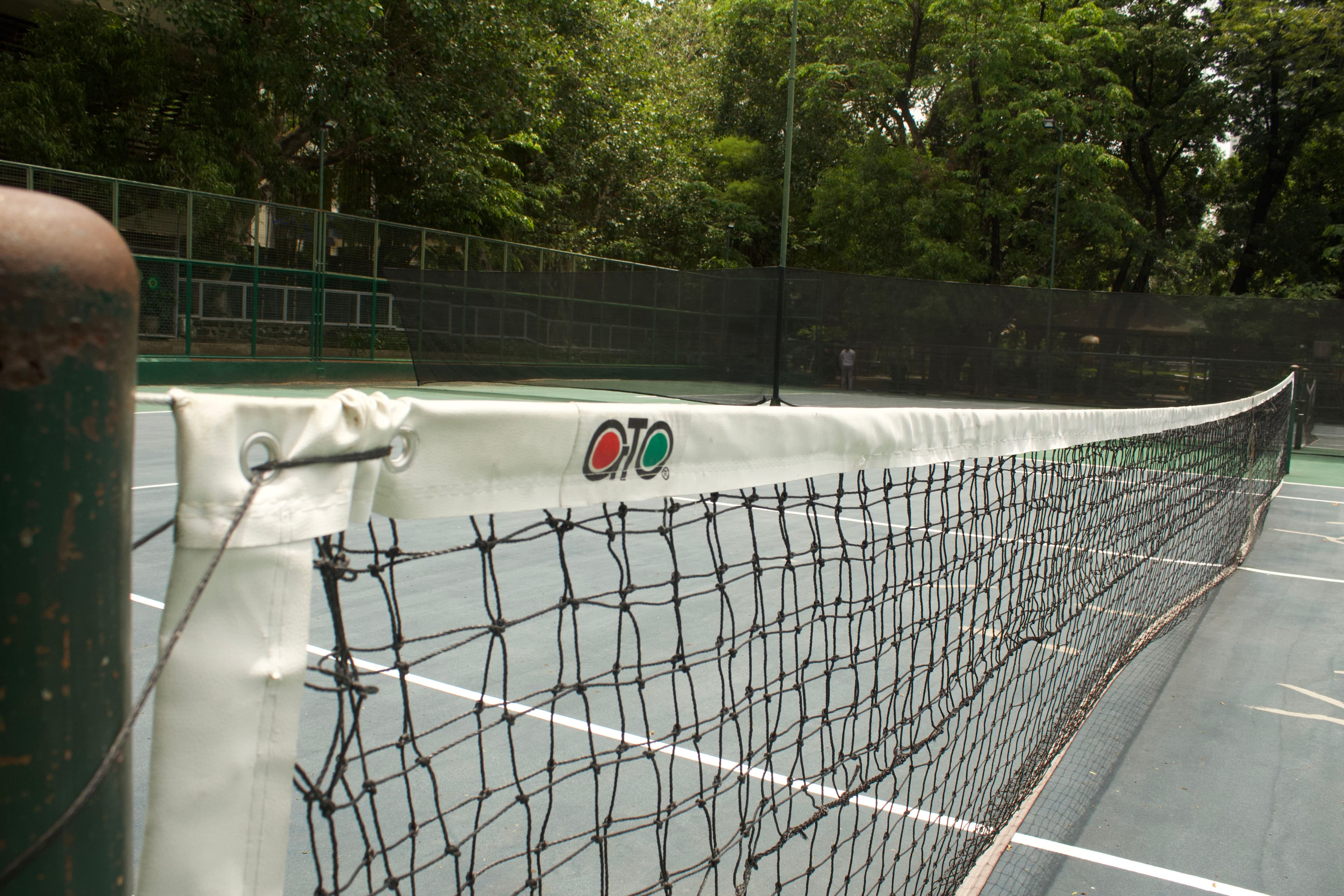
Tennis Court 1 (Near Playground)
Tennis Court 1 (Near Playground)
A well-maintained tennis court for tennis enthusiasts.
Click to login and reserveCovered Court
A spacious covered court for outdoor activities.
Click to login and reserveCovered Court
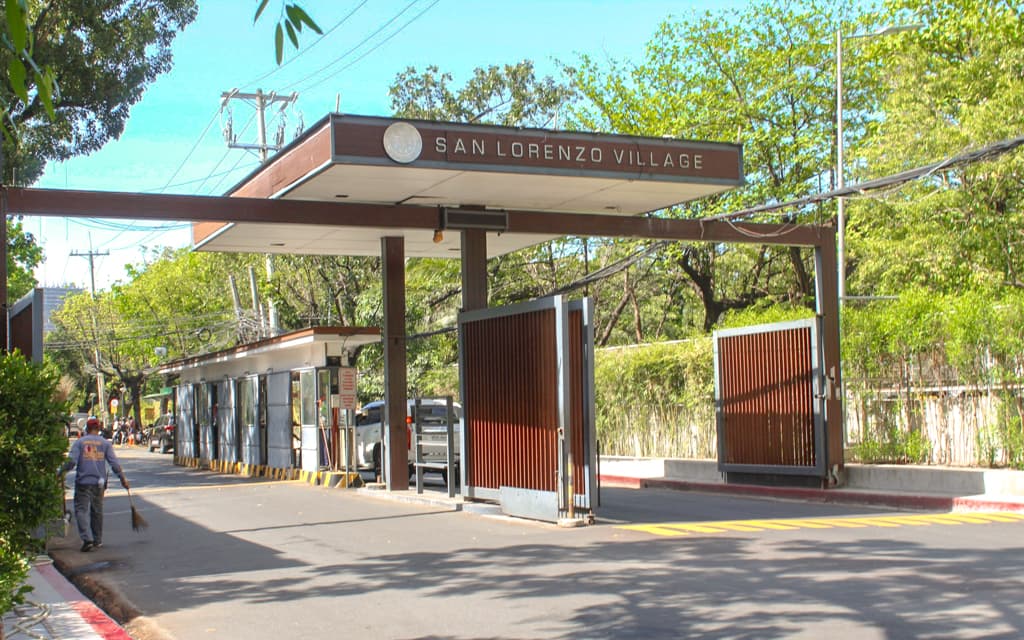
About San Lorenzo Village
Established in June 1954 by Ayala Corporation, San Lorenzo Village is one of Makati's premier gated residential communities. Originally envisioned as a modern post-war suburban enclave, the Village transformed from agricultural land into an exclusive residential neighborhood and was officially recognized as a barangay in 1972. Today, it remains one of the most sought-after residential addresses in Makati, strategically located within the heart of the Makati Central Business District.
Spanning approximately 63 hectares, San Lorenzo Village is bounded by major thoroughfares such as EDSA, Arnaiz Avenue, and Chino Roces Avenue, while enjoying close proximity to key commercial and lifestyle hubs including the Ayala Center and Legazpi Village. It is bordered by neighboring communities such as Dasmariñas Village to the southeast, Barangays San Antonio and Bel-Air to the north, and Barangay Bangkal to the west — placing residents just minutes away from Makati's leading business, retail, dining, and leisure destinations.
Today, San Lorenzo Village continues to embody a balance of urban accessibility, exclusivity, and residential tranquility — offering a secure and refined community within one of the Philippines' most dynamic cities.
Mission & Vision
Mission
To provide and maintain a safe, clean, and harmonious residential environment that enhances the quality of life for all San Lorenzo Village residents through responsible governance, community engagement, and sustainable management of village resources.
Vision
To be a model residential community in Makati City — one that upholds the values of integrity, unity, and progress, where every resident feels safe, valued, and proud to call San Lorenzo Village home.
Governing Documents
By-Laws
The SLVA By-Laws govern the rights and responsibilities of all residents and the association.
Village Rules
San Lorenzo Village maintains community standards to ensure a safe, clean, and harmonious neighborhood for all residents. Village rules cover areas such as construction guidelines, vehicle parking, noise regulations, waste disposal, and use of common areas.
Streets
Over 700 residential lots line the tree-lined streets of San Lorenzo Village, each named after a distinguished Filipino artist, writer, composer, or cultural icon — many honored before the National Artist Awards were formally established in 1972. These streets are a living tribute to the creative giants who shaped Philippine culture and identity.
Amorsolo St.
Fernando Amorsolo
Fernando Amorsolo
Painter · Amorsolo St.The Philippines' first National Artist, celebrated for his luminous depictions of rural Philippine life and the iconic backlighting technique that became his signature.
Edades St.
Victorio Edades
Victorio Edades
Painter · Edades St.Known as the 'Father of Modern Philippine Painting,' Edades introduced modernism to Philippine art through bold, expressionist works that broke from traditional academic styles.
Garcia Villa St.
Jose Garcia Villa
Jose Garcia Villa
Poet & Writer · Garcia Villa St.A pioneering Filipino poet who gained international acclaim in New York literary circles, known for his inventive use of the comma poem and avant-garde verse.
Joaquin St.
Nick Joaquin
Nick Joaquin
Writer & Journalist · Joaquin St.One of the Philippines' most celebrated literary figures, Joaquin explored Filipino identity and colonial history through essays, fiction, and drama with distinctive prose.
Tolentino St.
Guillermo Tolentino
Guillermo Tolentino
Sculptor · Tolentino St.Considered the greatest Filipino sculptor, Tolentino created iconic national monuments including the Bonifacio Monument in Caloocan City.
Abelardo St.
Nicanor Abelardo
Nicanor Abelardo
Composer · Abelardo St.A National Artist for Music who elevated the kundiman to an art form, composing beloved songs that remain pillars of Filipino musical heritage.
Juan Luna St.
Juan Luna
Juan Luna
Painter · Juan Luna St.A 19th-century master whose painting Spoliarium won the gold medal at the 1884 Madrid Exposition, making him a symbol of Filipino excellence during the colonial era.
Hidalgo St.
Felix Resurreccion Hidalgo
Felix Resurreccion Hidalgo
Painter · Hidalgo St.A contemporary of Juan Luna who also won recognition at the 1884 Madrid Exposition, known for impressionist portraits and genre scenes of Philippine and European subjects.